From Unsafe to Stable: Quick Concrete Repair in an Active Facility
Challenge
Voids beneath the facility’s concrete slabs were compromising the building’s structural integrity, creating potential safety hazards for staff, visitors, and equipment. Left unaddressed, these voids could worsen over time and result in costly damage. Because the facility remained in active use, traditional repair methods such as removing and repouring the concrete were not practical. These approaches would have been time-consuming, disruptive, and generated considerable dust and debris, impacting both operations and safety. The project required a solution that could quickly and efficiently fill the voids, stabilize the slabs, and restore the floors to full strength—all while minimizing downtime and disruption.
Solution
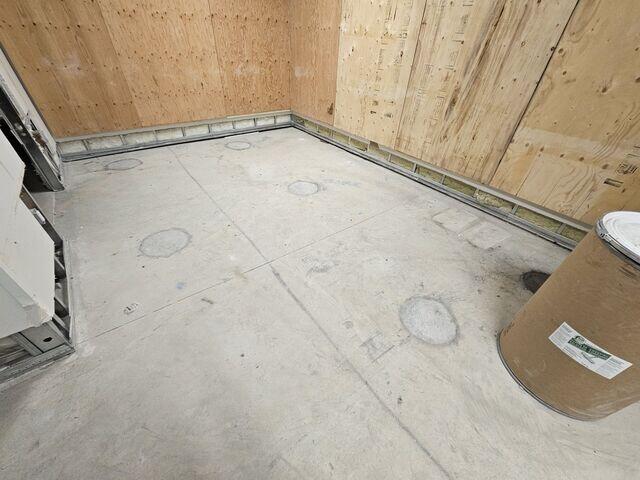
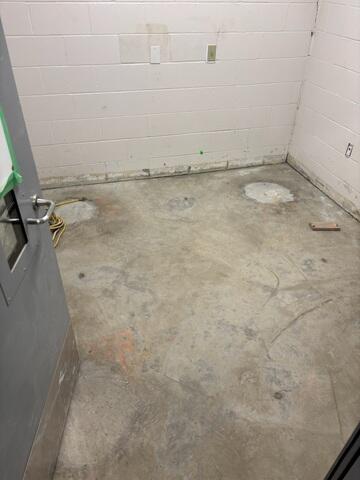
Canadian Concrete Leveling implemented its advanced Polyurethane Injection (PolyLevel) system to restore the floor’s stability. This non-invasive process involves drilling small, dime-sized access points into the existing slab. Through these ports, a high-density, expanding polymer is injected directly into the voids beneath the concrete.
As the polymer expands, it fills the gaps and gently lifts the slabs to a stable, level position. The lightweight, rapid-curing material ensures immediate stabilization, providing a permanent solution in just a few hours. The process is clean, low-mess, and minimally disruptive, allowing facility operations to continue without interruption.
Results:
-
Immediate Stabilization: Floors were secured and stabilized within hours.
-
Durable Solution: The expanding polymer provides long-term structural support.
-
Clean and Non-Disruptive: Minimal drilling and no debris allowed normal operations to continue.
-
Cost-Effective: Faster and less labor-intensive than traditional concrete replacement methods.
By leveraging the PolyLevel system, Canadian Concrete Leveling delivered a safe, efficient, and permanent solution that restored the structural integrity of the facility’s floors while minimizing downtime and disruption.