
Job Stories
Canadian Concrete Leveling Job Stories
Garage Floor Cracked and Sinking, Aurora, ON
A home in Aurora, Ontario, had a problem in the garage. The floor was cracked and sinking near the garage doors. The customer noticed that water was making its way into the cracks when it rained and every time they brought the car into the garage they were worried that the floor would crumble due to the large void beneath. With time the void beneath the slab was worsening and varmint was making its way beneath the floor through holes in the concrete. If the floor was not fixed it could have caused serious damage to the vehicles that were parked in it.
The customer called Clarke Basement Systems and our Canadian Concrete Leveling team came to fix the problem. John DiNicolantonio explained everything that would be done to the customers garage. Billy McKeown and the crew used PolyLevel polyurethane to lift and level the garage floor to improve the slope of the floor. We drilled small dime sized holes through the concrete and injected our PolyLevel polyurethane underneath the slabs. The polyurethane followed the path of least resistance underneath the concrete to fill all of the voids and then expanded. We were able to use the expansion of the polyurethane to lift the garage floor to protect it from further settlement. Once the floor was leveled the NexusPro Joint Sealant was used to seal all of the cracks and prevent water from making its way to the substrate. The customer is satisfied, as the garage floor is no longer uneven and they are now able to safely park the cars in the garage.


Sinking and Cracked Garage Slab , Aurora, ON
A home in Aurora, Ontario, had a problem that was located in the garage. The garage had settled over time and was sinking 6” in some areas. The floor was extremely cracked and was also beginning to crumble. The customers were thinking of selling the house and they knew that they could not leave the floor in its current state. It was both an eyesore and safety hazard. Water would flow to the middle of the floor and in the winter it would often freeze. The floor was also beginning to crumble which was leading to various potholes and trip hazards.
The customer called Canadian Concrete Leveling and spoke to John DiNicolantonio, who explained everything that would be done. Billy McKeown and Kyle McKeown came and used the PoyLevel Injection System and NexusPro Joint Sealant. Our PolyLevel Injection System is injected beneath the concrete to lift and level the slabs. Our expanding polyurethane is compressed and the substrate lifts the concrete to ensure that the area is protected from further settlement. Our NexusPro Joint Sealant is then applied on the cracks to help protect the substrate from further water seepage.
The customer was very happy that we were able to provide a cost efficient alternative to removing and replacing their garage floor. Our solution not only saved the customer a large sum of money, but also gave them a safe and usable garage floor that is now warrantied for 10 years.
Concrete Leveling for Transit Infrastructure
In Thornhill, Ontario, a concrete bus shelter pad had started to sink in several areas, creating uneven surfaces where the slabs met. For everyday commuters, this meant a constant risk: raised edges where a misstep could lead to trips or injuries. The client’s goal was simple but critical—restore safety and usability without tearing out the existing pad or enduring the high cost of a full replacement.
After researching solutions, the client turned to Canadian Concrete Leveling for a cost-effective, expert approach. We began with a clear and honest quote, giving the client confidence in both the method and the outcome.
Our installation specialists then got to work using high-density polyurethane injection. This advanced technique fills the voids beneath the slabs, lifting each section precisely to its proper height. Every slab was carefully stabilized, with attention to detail ensuring that the entire transit area was level, secure, and ready for use immediately.
The results speak for themselves: the bus shelter pad was fully restored, trips and hazards eliminated, and the client avoided the time, cost, and disruption of a full concrete replacement. Commuters could safely use the shelter without delay, and the concrete was made strong, stable, and long-lasting.
With Canadian Concrete Leveling, public spaces can be restored efficiently and effectively—proving that smart solutions don’t just save money, they save time, safety, and peace of mind.

Two Sinking Walkways Cause Many Hazards, Newmarket, ON
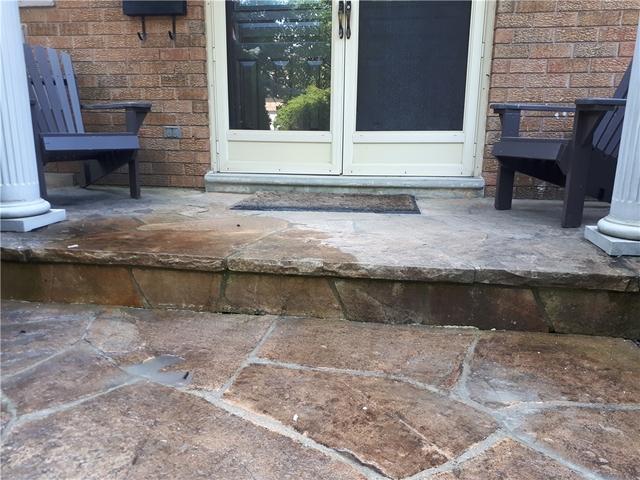
A home in Newmarket, Ontario had a front and side walkway that had sunk over the years. The front walkway had sunk 3 inches from the original pour and was causing a trip hazard as the step up to the front porch was now 11 inches. The walkway and shed along the side of the house had also sunk 2.5 inches which was causing a similar issue with the step leading into the garage. The customer stated that water would pool on the front walkway as it was no longer sloping away from the patio. The side walkway was sloping away but the customer was concerned about the height of the step and the potential for further settlement. The step height was very high and posed a serious trip hazard. With water pooling on the walkway there was also a slip hazard in the winter when the water would freeze.
The customer called Canadian Concrete Leveling and talked to John DiNicolantonio, our Project Lead to explain what would be done to fix the issues. Billy McKeown and Kyle McKeown, our Poly Foremen came in and drilled small dime sized holes through the concrete and injected our PolyLevel polyurethane underneath the slabs. The polyurethane followed the path of least resistance underneath the concrete to fill all of the voids and then expanded. We were able to use the expansion of the polyurethane to lift the walkways and protect them from further settlement. The PolyLevel injection lifted and leveled both the front and side walkways. The steps are now much more manageable and water no longer pools on the front walkway. The customer is satisfied and feels safe to use the walkways and are also very happy that they will no longer need to patch up areas of concrete that have settled.
Basement Leveling in Newmarket, ON
Not only does Canadian Concrete Leveling lift and stabilize sunken sidewalks and driveways but we also level basement floors! In Newmarket, Ontario, our customer's basement floor had sunken more than 2 inches stalling their renovation project.
Paul Mendell, Project Lead, spoke with our customer and provided information on how the process would work. With the help of Billy, Team Leader, and Kenny, Installation Specialist, they injected a Polyurethane under the floor. This system is a high density, structural grade polymer that lifts and stabilizes settled concrete by compressing the loose soils underneath and filling in any gaps or voids.
Our customer was overjoyed that they could continue their renovation plans now that the basement floor is stable and lifted. They can now have extra space in their home to use and enjoy.

Lifted Slab Caused Indoor Water Damage, Thornhill, ON
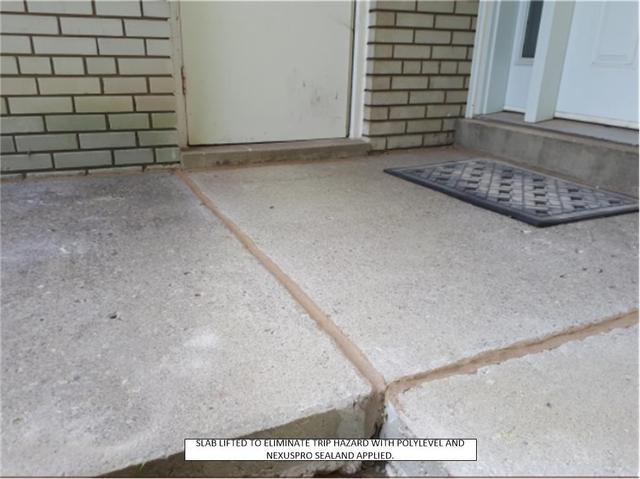
A home in Thornhill, Ontario, there was a problem in the basement along the front wall. There was a small amount of water causing the carpet under a desk to be wet. This happened during a very heavy rainfall. This was a result of concrete slabs at the entrance way to the building that had settled toward the home. Water flowed toward the home and made its way into the basement over the top of the foundation. The slabs were also a trip hazard. The house which was being used for a business was going to be sold and they didn’t want to pass along an issue to any buyer. It could affect the resale value of the property as well as continue to cause damage to building materials.
The homeowner called Canadian Concrete Leveling to fix the issues before they worsened. Ron Monk inspected the area and explained everything that would be done. Billy McKeown and his team came in and used PolyLevel polyurethane injections and NexusPro. The products were used to divert water away from the foundation and eliminate trip hazards and also to seal any joints where water could penetrate. NexusPro sealant was used to seal the joints to keep water out from indoors. The customer was satisfied because the house was ready to sell without issue.
Enhancing Safety at a Local Children's Centre
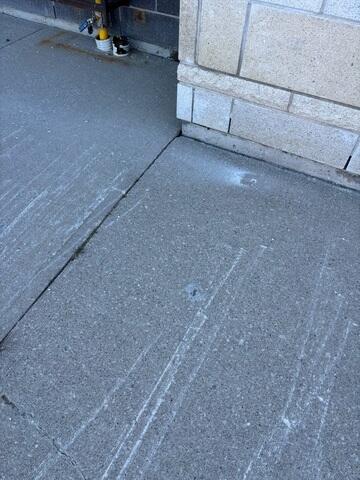
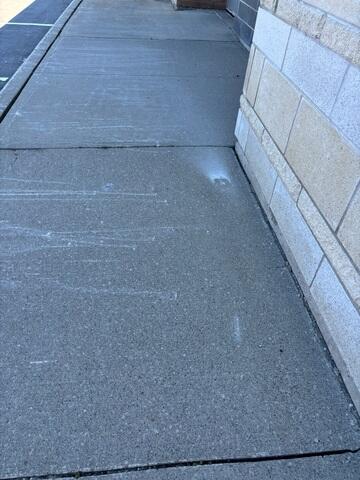
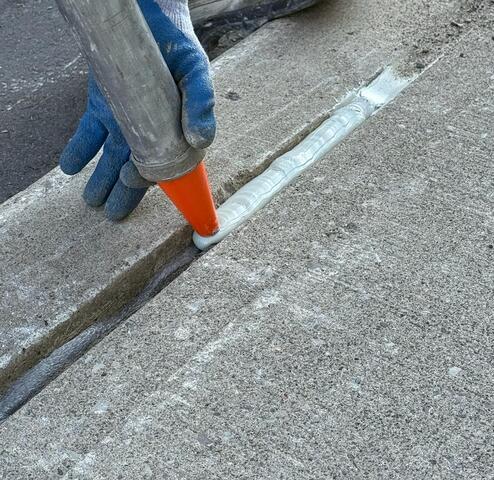
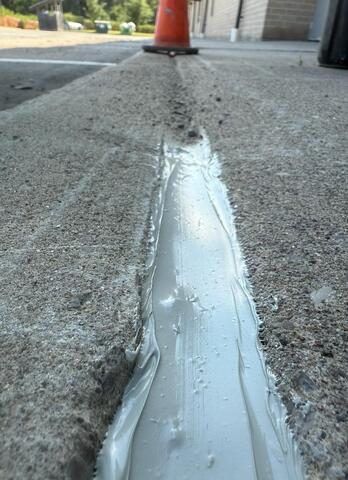
When we first visited the local centre for children, youth, and families, we noticed how much care and energy went into creating a welcoming space for the community. But outside, the walkways were starting to show their age. Sunken slabs and cracks had created uneven surfaces that posed tripping hazards—something no one wants to worry about in a place where children run, parents walk with strollers, and staff are busy helping families every day.
Our team was grateful for the chance to help. Using our concrete lifting solution, we raised the sunken areas to restore smooth, level walkways. Then, to make sure the concrete would stay strong for years to come, we applied our premium crack and joint sealant.
The transformation went beyond just fixing concrete. By making the paths safe and sturdy again, we helped the centre continue to be a place where families can focus on what matters most—feeling supported, cared for, and safe in their community.
At Canadian Concrete Leveling, we’re proud to provide solutions that protect not just concrete, but the people and communities who rely on it every day.


Repairing a Pool Deck in Toronto, ON
Homeowners from Toronto had many difficulties with their pool area that they needed to attend to and were looking for an affordable, effective solution they could use. After asking around and doing some research of their own, they ran in to Clarke Basement Systems and Canadian Concrete Leveling and they found an interesting, affordable solution called PolyLevel which is a structural grade polymer used as a superior alternative to mudjacking, to raise and level broken concrete slabs, patios, driveways and sidewalks. They decided to go this route and now they have a very nice pool deck and have removed all potential trip hazards surrounding the pool. Now these homeowners can enjoy their pool.

Cracked Concrete Created a Trip Hazard, Toronto, ON
A home in Toronto, Ontario had a sinking slab on the front walkway. The walkway had cracked across the middle and one half of the slab was sinking towards the crack creating a trip hazard and causing water to pool on the walkway after heavy rain. During the winter the pooling water in this area would freeze and cause a slip hazard as well. The customer wanted this to be fixed so that there would be no more safety hazard.
The customer called Canadian Concrete Leveling to fix the problem. John DiNicolantonio explained to the customer that it would be a quick fix and comes with complete warranty. Billy McKeown and the team used PolyLevel polyurethane System to level the walkway, eliminating the trip hazard. The polyurethane travels through the voids underneath the concrete and expands, allowing for us to lift the slab and stabilize the substrate to prevent further settlement. They covered the crack with NexusPro Joint Sealant to prevent water from making its way between the slabs again. The customer is left with a safe and usable walkway. They were very pleased that they could have the walkway fixed at a fraction of the cost of concrete replacement.
Large Step Caused Trip Hazard, Toronto, ON
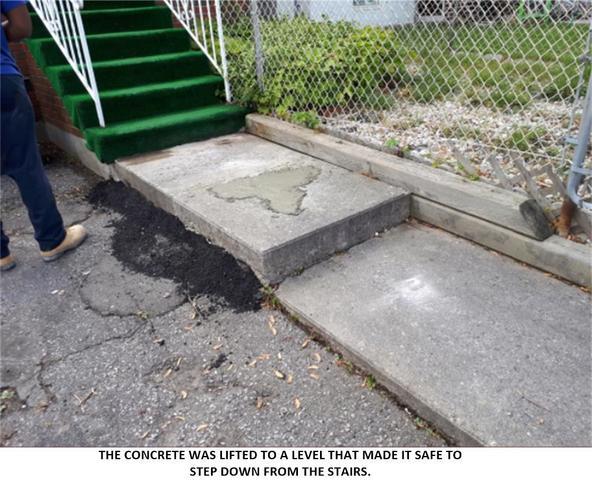
A home in Toronto, Ontario, had a concrete slab in the front of the house that had sunken. This was causing a trip hazard to the homeowner because the last step was too high and they had mobility issues. There was a fear from the family that someone would tripp and fall.
The customer called Clarke Basement System and Ron Monk explained what would be done. Bill Mckeown and the Canadian Concrete Leveling Team came in and injected PolyLevel polyurethane beneath the concrete slab to lift and stabilize it. The walkway is now lifted to the original pour line allowing for the step to be smaller. The customer was satisfied because it made the walkway safer and eliminated trip hazards.
Total Job Stories: 138
our service area
We serve the following areas
- Annan
- Appin
- Belgrave
- Belmont
- Blue Mountains
- Bluevale
- Brampton
- Brownsville
- Brussels
- Chepstow
- Delaware
- Dorchester
- Duart
- Dutton
- Etobicoke
- Fergus
- Fingal
- Glencoe
- Guelph
- Holland Landing
- Holyrood
- Iona Station
- Kincardine
- Komoka
- Lucknow
- Maple
- Melbourne
- Mount Brydges
- Muirkirk
- Muncey
- Newbury
- Port Elgin
- Richmond Hill
- Ripley
- Rodney
- Shedden
- Southampton
- Southwold
- Sparta
- Springfield
- Talbotville Royal
- Teeswater
- Tiverton
- Tobermory
- Toronto
- Union
- Wallacetown
- Wardsville
- West Lorne
- Wingham
